Opera total Technikwürze 143
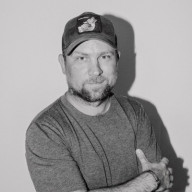
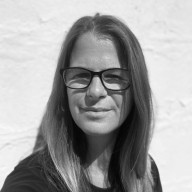
In todays show we are talking with Navjot S Pawera and Henny Swan from Opera software. The Topics cover Opera Unite, Accessibility and Web Development.

Transkript der Folge
-
Einspieler Herzlich willkommen zu Technikwürze, eurem Design- und Webstandards-Podcast.
-
Henny Uh, hello, I'm Henny Swan, web evangelist for Opera Software, and this is Introducing Technikwürze.
-
Navjot Hey, this is Navjot Pavera. I, I work as a product manager for Opera Software, and, uh, we're talking about Opera Unite.
-
Sascha Okay, ladies and gentlemen, welcome to a new episode of, uh, Technikwürze, your web design and web standards podcast. Today, uh, we have a big show. Uh, four people are in the virtual Skype audio studio. Uh, together with me is, uh, Dirk Ginader. Hello, Dirk.
-
Dirk Hi there.
-
Sascha And we have two guests from Opera. One is Navjot Pavera and Henny Swan. Hello.
-
Henny Hi there.
-
Navjot Hey.
-
Sascha Um, today we wanna talk, uh, briefly about, uh, the new Opera Unite, and, uh, additionally, we would, would like to cover some accessibility and web development topics. But, uh, first of all, uh, I give the stage to our two guests, so maybe you could just introduce yourself and tell us what you're doing at Opera.
-
Navjot Um, ladies first. Henny.
-
Henny Okay, thank you. Um, yeah, so my name's Henny Swan. I'm a web evangelist for Opera, uh, which basically means I talk to web developers about web standards, building, designing and building websites, and I have a kind of a focus on web accessibility as well. Um, we also cover mobile web design and stuff like that, lots of tools, which I think we'll be talking about as well.
-
Navjot Mm. Hey, all. I'm, uh, Navjot Pavera, and, uh, I work as a product manager for Opera. I've been working with Opera for almost three years, and, uh, over the last one, one and a half years, my focus has been Opera Unite. So right now at the B2C part of product management, uh, for some of the Opera, uh, Opera's products, mainly Unite right now.
-
Sascha Okay. Um, thank you for the introduction. Um, yeah, let's- let's start to talk about Opera Unite. Maybe you could just, uh, tell us what exactly, uh, Opera Unite is for those people who didn't try it.
-
Navjot Yeah, that sounds good. Uh, so, uh, Opera Unite, uh, well, in a gist is basically a web server that's been built into the Opera desktop browser. Um, what it means for end users is that, uh, that they have a web server, uh, running in the browser. The browser is not just a, a content consumer anymore, it's also a provider. So you can provide content and consume content on the same platform. Um, Opera Unite is, has, uh...
We- we've packaged it as a technology platform on which you can develop services which allow- allow, uh, uh, which give the developers power of these Unite APIs and modules, um, which i- in the end just, uh, you know, uh, create these services which are totally, totally new, different from what people have usually seen. Um, they're web-based, can be accessed from all different platforms, all different kinds of, uh, devices, all different kinds of media.
Um, and- and the end result is going to be, um, you know, more, uh, more collaborative and more, um, personal services. Um, and- and we'll probably, you know, I'll probably explain a bit more, uh, uh, a bit more on, um, the services, about the services in the, in the podcast.
-
Dirk Yeah, that sounds really great. So, um, when, when, uh, it came out like a few weeks ago, uh, my- my whole office was very excited about it and everyone, uh, immediately started downloading the- the newest version and, uh, tried to play around with it. And, uh, it- it- it sounds like a really nice idea to- to suddenly have, uh, your browser not only being something that consumes, but also something that automatically sends out. So a f- a few questions came up though.
Um, uh, Dirty Download, it was, uh, asking, uh, or it was specifically talking about, uh, an Opera version including Unite. So will Unite be generally, uh, featured in every new version of Opera, or will it always be like a special build?
-
Navjot The current have Opera Unite as a part of the Opera desktop browser, and, uh, so far it's been released as a part of the special builds that you get on labs.opera.com. These are usually development or alpha stage builds, and, uh, this is basically because we wanna test the technology on, um, i- i- with the bosses, you know? Um, but, uh, the plan right now is as we go forward to include this into the main builds of Opera desktop browser, the- the main public builds.
And as we're moving close towards the Opera 10 launch, uh, that's the plan.
-
Dirk Great. So it will definitely be part of Opera 10 from that m- uh, version on, and it will be part of it full stop.
-
Navjot Uh, that- that's what we're working towards. Uh, how that happens we're still not completely sure of, but, uh, as you, as you know, we've, uh, launched a beta two of the Opera 10 desktop browser.
-
Dirk Yeah.
-
Navjot But Unite- Unite is still not a part of it because we wanna reach a s- a certain quality level before, you know, a feature becomes a part of the mainstream browser. So we're working towards that. That's the plan. How it's going to shape up, uh, is yet to be seen.
-
Dirk Of course.
-
Navjot Uh, so maybe, um, you, you talked about the services that can be, um, u- the services that can be implemented into the, uh, Opera Unite. So maybe you can, can you give us some examples what, what you can do with it? So, uh, I saw something on the website about, um, sharing, uh, files, sharing, um, videos or, or music and, um, working together on documents and stuff.
Yeah, definitely. I mean, the few services that we launched Opera Unite with, the, the alpha version of Opera Unite with was, uh, uh, uh, like the file sharing service, the photo sharing, media sh- media player. What basically these services are, uh, they're, they're basically demos of the APIs that, uh, Opera Unite brings to the developers. For instance, the file sharing service.
Uh, if you have Opera running on your home computer, you give Opera Unite a folder which has the files that you wanna have access to from a remote location, for example, your office. So you give Opera Unite access to that folder, and then Opera Unite gives you back a URL. You take this URL, go to your work, uh, go to your office, and enter the URL, and you have access to all these files.
Similarly, the media player service was, uh, basically an extension of this service, uh, to show what all you can build upon the, uh, the available API. So the media player service, uh, works in a similar fashion. Allows you to have remote access to your, uh, music files, for example, um, without taking them all the way to your office with you. Um, in that, in that service, you give your Opera Unite access to y- to the folder containing all your music, and then again, it gives you a URL.
You take it to your work, enter the URL in any browser, and you have access to your music library. Um, some of the services that we built were the web server service, for instance. It's, um, it's, it's, it's this, you know, the, the Opera Unite is basically a web server built into the browser. So that service allows you to do exactly, uh, that. You know, you make a website on your computer and point the web server service to that folder, and then it gives you a URL.
Now, using this URL, you or any of your friends can access that website that you've made, and you're hosting it on your computer. Um-
-
Dirk Yeah, that, that is really the, the-
-
Navjot Yeah
-
Dirk ... one of the cool things that obviously our house full of web devs was very excited about. But then immediately people starting playing with it, and, uh, trying cer- trying to get, uh, more out of it, and then trying to, uh, execute server side languages and all. Are there any limits in, uh, what you can actually run? Is it, is it for static content only, or can you, like, uh, map it to a proper, don't know, Apache in the background or something?
-
Navjot Y- you definitely can. In fact, there's a, there's a service that's already been uploaded on unite.opera.com, which is where you get all the Unite services. Um, what it allows you to do is point to your local installation of Apache, for instance. The Opera, Opera's Unite, uh, uh, server is basically very trimmed down version, you know, a full, whole blown, uh, server because that's, that's for security reasons and simplicity reasons.
But if you do have a full-blown Apache installation running on your computer, you can use Unite, you know, point it to that installation, and use Unite's, uh, domain name to distribute it around on the net.
Very nice. Very nice. One of the other questions that, uh, came up, uh, pretty soon is, uh, will Unite always be part of Opera only, or will there maybe be a standalone version at one point in the future?
Um, well, so far, uh, it, it's I think fair to say that we're experimenting with this technology in the Opera desktop browser. You know, it's, it's an alpha release. It's part of the labs build so far. We know we wanna make it a part of the, of the mainstream browser, but taking it out of the Opera, Opera browser is a bit complicated. Because to enable all this, we, we've tried to make the whole Opera Unite architecture as open as possible. Development's based on open standards.
To access the services, you don't need the Opera browser. You can access your services from any other browser on any kind of device, on any k- kind of operating system. So we've tried to make it as open as possible. But to enable all this, we n- need to have Opera on one side because you're using the Opera Unite server, you're using the, uh, domain, which is, uh, being hosted by Opera. So with the current architecture that we have, it makes sense to have Opera running one side.
Um, but you know, this is, as, the way the, the s- the way we've, uh, chosen to introduce Unite to the public has been that we've put it out in very early stages becau- because we wanna see how developers react, what they think this could be. So moving forward, this all, all depends on how we see developers would be able to, you know, use it to the max.
Uh, um-
So far there's no such plans.
Um, yeah, when, when you just talked about this, um, you just mentioned that, um, this, that you have the, uh, Opera domain, the Opera URL where you, you have your personal kind of my Opera Unite page or something, um, where-
Right
-
Sascha ... this is a web address where you can access all these services. And obviously, one, one of the questions which, uh, came up when we discussed this internally and, uh, when I just searched the web for, for Opera Unite, is, uh, the whole everything about security and-
-
Navjot Right
-
Sascha ... about privacy. So, um, some people are not that comfortable to just, uh, route every communication, every data through a Opera service, which is necessary to just, um, go around firewalls and stuff. But, um, how do you, uh... Yeah, what, what do you say to these concerns?
-
Navjot Right. I mean, that, that's completely understandable. Uh, so, so let me, let me, uh, explain a bit how the Unite proxy works and why it's needed. So when you host Opera Unite- I can point, you know, to some folders which have your content. Uh, Opera Unite gives you a URL. That's one of the reasons, uh, we need to have a proxy to be able to give you a URL instead of having an IP which changes all the time.
You know, you could point to a folder on your computer and have your IP, which you pass around, but when you change connections, you, your IP usually gets changed. So to avoid that, we have a proxy, a domain name server, which gives you a URL, which points to your changed IP all the time. So that's one of the reasons we need that proxy. But URL, you pass it on to a friend. Your, when your friend clicks on the URL, they're exposed to a proxy, which then forwards the request to your machine.
Now, if your machine can establish a direct connection between your friend's machine and your own machine, then that's, that's what's done. You have a direct connection between the two computers, and data communication takes place without going through the proxy. So that's completely transparent.
In case that's not possible, you know, you mentioned there are firewalls, there's port forwarding could be complicated, some, uh, routers don't allow it, um, some networks don't allow it, some ISPs don't allow it. So in case something, uh, like this is there and a direct connection is not possible, the data's routed back to the pr- uh, the request is then sent back to the proxy, uh, saying that, "Hey, I can't establish a direct connection.
Just open the..." The proxy opens a transparent and lets the data go through. Now, we made it pretty clear, yeah, uh, with the, like, communication to the public that we do not keep an eye, we do not track what's going through our proxies. We are very concerned with the security and the privacy of our users. Uh, you know, Opera's been a browser that's held a good track record for security, and we, we plan to maintain that, and we grow, we're growing from there.
So we, we make sure that we do not, uh, in- infringe on, you know, any of the user's privacy or look at what's going through that. So all the data that's going through our proxies is completely transparent. Um, another thing when it comes to security is that, uh, um, you know, a lot of people are saying that when I run a service, it's listed on My Opera. As you mentioned when you started your question that you, there's a My Opera page that lists all the services that I'm running.
Uh, maybe those services are, are, are password-protected, but it still says these are the services I'm running, and this, uh, this, I might be sharing this kind of data. In the latest snapshot builds, uh, that we've released on labs.opera.com, uh, you have an option of disabling that per service.
So you can go to a service in the, in the Opera Unite panel, uh, go to the properties and say, "Do not list the service or, uh, on My Opera," or even, "Do not index, do not let search engines index these services." So we, we've taken this feedback, and we've incorporated it into the, into the new builds, and they're already out there, and we're getting some positive response on the new builds that we have out there.
-
Sascha Yeah, I can imagine that. So, um-
-
Navjot Yeah
-
Sascha ... what about, uh, another concern, I guess, because, um, I think it's, it's, it's crystal clear that when you introduce such a technology to, to share, uh, files and stuff, that people will start to, to use it for, uh, illegal things like sharing music with friends that shouldn't be shared, you know? Like, uh, because it's-
-
Navjot Yeah
-
Sascha ... uh, when it works, it's, uh, it's some kind of a private, um, yeah, it's, it's a private peer-to-peer-
-
Navjot Yeah
-
Sascha ... net- network in, in somehow. So, um, do you plan to, to, uh, filter something, uh, for copyright reasons or something?
-
Navjot Um, yeah, I mean, it's, it's pretty, pretty simple to imagine that, you know, when you have something that allows you to share stuff, people are going to use it to share all kinds of different things on the internet. I mean, that's possible using, you know, most of the, uh, uh, applications that you use on your desk right now, for example, internet messengers. You know, you can share stuff with your friends or with anyone using internet messengers.
Just put a file into that messenger, and it goes through. Um, it's, it's the same with Opera Unite. You know, when it allows you to share stuff, people are going to use it to share all kinds of stuff. Um, the, the thing is we, we are, we're not pro, uh, piracy. You know, we, we do not support piracy. We, we totally respect artists, and we, we, we encourage people to only share stuff that they have rights to share.
Um, but, uh, in case someone does report back to us and say, "Hey, this guy's been sharing, you know, stuff which they don't have rights to share, and, uh, and that's illegal." So if they, if someone comes back to us and says, "This is happening," and we can go there and look, yeah, that, that's true. You know, this is being publicly shared.
We do have the right to shut down that person from My Opera, which would mean they would not be able to log in to Opera Unite and use Opera Unite to share this stuff. So-
Yeah
... so that's, uh, that's, that's how we, we, uh, we plan to circumvent this.
Okay. Um, so, um, do you see, maybe just as a scenario, do you, as we, we are a podcast for web, for web developers and, uh, web designers, do you, do you see a special scenario where, uh, Opera Unite could be, um, extremely useful for small companies or freelance web designers or something?
Um, actually, to be honest, I, I, I think it's, uh, it's very simple to, uh, to see that. I mean, I've been using it to, you know, show my friends back... Like right now I'm sitting in Norway, in Oslo. I'm from India. So I've been using Opera Unite, the web server, uh, uh, service to, to show friends back home stuff that I've been working on. So, uh, I mean, freelance designers, I think definitely.
When you're working on something on your machine and it's local, it's al- it's, it's always easy to work on stuff that's local. And if you wanna show some client sitting halfway acro-... what actually is happening to the websites when you're doing some stuff, uh, locally, when you're changing code locally. Just give them that URL where you're hosting the website, and all, all the stuff that they're going to see is going to be live.
You know, you, you say you've changed something and they refresh and they're gonna see the changes live. That, that's once, one thing. Second is when you're a freelance designer, you know, you have to work with Photoshop files and, you know, big design files. It's not always easy, easy to email them, and uploading them usually takes time. So your client asks for a file, you have to upload them to your server the first, and then you send the link and the client downloads the file.
So it's, you know, an extra step. So now you just gives you a link to the stuff that's lying on your computer, and you just send the link o- over and they can access these files. Uh, for, I mean, there's, there's a number of ways I see small companies and, you know, freelance designer making use of this. Um, if, if... I'm sure people will be able to come up with even better ideas of what can come up with, you know? It's, it's, uh, the, the, uh, the best services I think are born out of need.
Um, okay. Maybe, uh, one, one last, last questions about Opera Unite before we, uh, talk some more about accessibility. So-
Mm
-
Sascha ... do you expect, um, Opera's browser share to go up, like-
... the, the market share to go up with, with Opera Unite?
-
Navjot Uh, well, we definitely hope so.
I mean, it, it, it's, it's a, it's a feature that's going to be a part of the, the main browser, and, uh, uh, if it pushes the market share up, well, we definitely hope it, it happens.
What was that?
Have a good day. Whoop. I'm not sure. I think it was me. It's all good now.
-
Dirk You d- you just fall asleep and, and hit the keyboard.
-
Navjot Yeah. Whoops.
Yeah.
-
Sascha Okay. Uh-
-
Navjot I, I, I hope Penny is still awake.
-
Henny Yes, I'm still here.
-
Navjot That's great. Hey.
-
Dirk Well, let's hear a bit about you. You're, um... I th- think you're, uh, mainly targeting accessibility in, in, uh, in Opera, aren't you?
-
Henny Well, I, I come from an accessibility background, having been a consultant for many, many years on my being in the UK, so I've really brought that over to Opera.
So previously I was working very much focusing on websites, whereas now I'm focusing, focusing more on the browser and how we render websites, and how, as a browser, we can enable people with disabilities, older people, or just people who struggle with browsing in general, to access their content in a much more usable and accessible way. So it's, it's pretty interesting.
I mean, it all links in with, with sort of WCAG and the user agent accessibility guidelines, how all these things lock in and work together. Um, and also sort of bundled within that is, um, mobile web design because while that's not about accessibility as such, a lot of the issues that, um, a user will encounter when they're browsing on their mobile is quite similar to some of, some of the issues that people will encounter with accessibility needs on the desktop as well.
So y- overall, it's, it's more about sort of making usable web pages across devices for different types of people who have different types of access technologies as well.
Yeah. That truly is a great approach. I also saw you recently, uh, doing a lot with, uh, Bruce in terms of HTML5 and, I believe, also some special accessibility parts of HTML5. Can you talk a bit about that?
Yeah. Absolutely. I mean, I guess, I guess that in Opera our whole approach to accessibility is, is, is built in and not bolt on, and this is something that, um, the HTML5 Working Group and, and people are trying to, to achieve.
So what we've been doing is looking at HTML5, you know, looking at the spec and trying to implement working examples, and trying to make those examples as accessible as po- possible so that the developer at the end of the day, um, wouldn't have to think too much about accessibility because HTML5 lends itself to accessibility. Um, one of the things that we've been looking at quite closely is web forms.
We have a pretty good implementation of web forms, and w- we're looking at ideas of how we can make that more accessible and so forth as well. So, so yeah, our, our whole approach to emerging technologies is obviously to champion them, provide implementations that developers can look at and analyze and learn from, but to make sure that they're as accessible and usable as possible.
Yeah. That sounds absolutely brilliant. I was quite excited when I, uh, saw you and especially Bruce at the, uh, Standards Next event talking about, uh, what will be possible in, in the future generations of browsers and how, for example, drag and drop will be in the browser, so-
Yeah
-
Dirk ... it, it, it, we don't, don't have to hack around in a lot of, like, edge cases like we do now to, to make that in any way accessible, but it will be accessible by default via the browser. How far-
-
Henny Yeah. Absolutely
-
Dirk ... how far do you think we're actually there, and, and how far will, is, will the way still be?
-
Henny It's difficult to say because H- HTML5 is a, is a, a moving target. There are some things that are more stable than others. Um, there's so many factors that have to come together. There's obviously, you know, implementations out there from the web designers and developers.
It's also support within browsers, um, of various aspects of HTML5 and, you know, all browsers are working towards doing that, but obviously you don't want to invest too much in implementing something if it's not looking too stable within the spec. So some areas of implementation are better than others.
Um, and then of course it's down to s- the third kind of sort of s- spoke on the wheel is, is how access technologies are able to handle new technologies such as HTML5, SVG, um, and all of this stuff as well. So I don't think it's, it's possible to say how far we're there yet because it is kind of changing. But there's a really active community out there.
There are some great people who are working so hard on, on, on actioning this, like Steve Falkner, Remy Sharp, Bruce Lawson, who's come up with fantastic ideas as well. So it's, it's exciting times, and it's a great time for any developer to start kind of, you know, getting, get started with HTML5 and thinking about accessibility and how they can work things.
-
Dirk Yeah. I'm, I'm truly excited about HTML5 myself. Uh, the only thing that, uh, always keeps annoying me and, uh, will eventually keeping me from using it in, in, in... well, at least for another few years, is obviously Internet Explorer, who's, uh, still avoiding us to, uh, actually use it actively because it is not able to, uh, style the new elements without JavaScript. How's your opinion about that? Do you, do you think we...
it, it's, it's the right to hack around use of JavaScript to make it actually work there?
-
Henny I think it comes down to you and your organization. I mean, personally, I'm happy to do that sort of on my blog. I'm just doing an HTML5 redesign now. I think if you're an organization, that's a business call. That's something that you need to figure out whether it's appropriate for you to do or not.
Um, I think probably, um, a lot of larger organizations are holding back at this point, and what we're seeing is really kind of real-world examples coming out from sort of individual developers and, and such like. Um, as for Internet Explorer, I can't comment on, on what they're doing and, and where they're going and stuff, but it would be lovely if they'd just catch up.
-
Dirk Oh, yeah. But you're not only working to, to make your browser more accessible, you're also actively helping us developers to actually, uh, get better in what we're doing. So I- you have at least, like, two, uh, really cool new platforms out there from what I know is, uh, the one is Odin, and the other is the Web Standards Curriculum. Would you like to talk about that as well?
-
Henny Yeah. Absolutely. Odin is our Opera Developer Network, and that's, um, opera.com/developer. And in there, we have just, um... it's a load of information, um, largely coming from my team, and we cover lots of articles and tutorials on web design for sort of programmers, developers, designers, covering everything from mobile web to widgets to CSS, accessibility, WAI-ARIA.
Um, we're lucky in that we have leading web developers from all over the world who contribute to that, so it's a pretty high quality, um, with lots of new content coming on every week. We also have Opera Labs, where we showcase upcoming features and implementations that we might have. So for example, um, we've got showcases of Finger Touch, which is a technology on mobile where you can zoom in on... you use your finger to zoom in on, say, three links.
That then makes it easier for you to select which link you want. So it's great if you're, if you have trouble using your finger to browse on a mobile, so an accessibility feature but also one that makes it more usable. So we have lots of stuff coming out on Labs. Um, we also have a blog, a team blog, where we cover pretty much everything. We post lots of presentations and stuff as well.
And, um, the Opera Web Standards, uh, Curriculum, which Chris Mills developed, um, over last year, and this is an incredible resource. There's over 56 articles, again contributed to by leading designers and developers. And it's designed really for educators, whether in a school, university, or even within a business to take and use to, and to help educate their designers, developers, students, and so forth. You could also take it really as a self-learning module.
Um, and what, what I think is particularly exciting about this is, is we're trying to get it, as much of it translated into as many different languages as possible because, you know, the battle for web standards in the English-speaking world and the battle for accessibility is, is at a certain point where I think we do need more resources elsewhere.
And with development of the web coming so heavily from places like India or China, it's really important that, you know, we share what knowledge we've amassed and, um, make that available in people's native languages, so it's easier for people to learn. And we've been backing that up with, um, university tours as well. We go internationally all over the world. We've, we've done a tour in Germany.
I believe we've got one lined up, um, with our new web evangelist who's coming on board called Patrick Lauke. Um, so yes, we're quite heavily involved in education, and we've, um, contributed the Web Standards Curriculum to WASP Interact, which is, um, their web standards, um, framework, which is designed for universities to deliver, um, web ed- education and-
-
Dirk Yeah. That's brilliant. I'm especially excited about the idea of, of really starting to, to bring web standards directly to the, to the schools, to the university where the people actually start to learn. 'Cause as at the moment, I still have the feeling that a lot of people learn something in university, try to teach theirself on, on the s- on the side, then go into real life, find they're actually doing it wrong and try learning again.
So actually bringing them to level from start is, is absolutely essential. And if you really go out to the universities and maybe keep one of the, um, professors where they know that something new is happening and actually make them do that, it would be brilliant.
-
Henny Absolutely. Get 'em while they're young, that's what I say.
'Cause, I mean, I, I may think I'm of, of the generation where, you know, we all grew up teaching ourselves HTML, and it was like street HTML.
Um, you know, a l- little bit random, a little bit slang-like So it's, you know, to, to, to kick off with that really strong foundation, you know, then you become a, the kind of designer developer who can really start going out and innovating and doing some cool stuff. But i- it's not just about capturing people, you know, the people who are learning in schools, it's, it's, it's trying to create a sort of fundamental change in how we teach web design.
Um, I mean, what we have found is th- a lot of courses are actually not about web design. They have a module in it for computer science or what have you. So it's such a kind of under, um, rated and under-taught, uh, skill, basically.
-
Dirk Absolutely. Absolutely. Uh, and it's, it's brilliant that, uh, it's not only Opera, it's also Mozilla and, and other big corporations who, who try to, to get that out there to actually make developers better and, uh, help everyone, and that is just a great approach.
-
Henny Mm-hmm.
-
Dirk So w- where do you guys see Opera within the next few years? How, how do you think it's going to be, um, actually develop itself?
-
Henny Well, from an a- accessibility perspective, I think w- we, we're just, um, uh, we're at a turning point where we're doing a lot of research and trying to see where we can take the browser and stuff, and it's exciting times. Um, so for us, it's building on what we already have in the browser. We have great sort of access key and keyboard navigation, but we've got some ideas about how we can really build on that.
And in terms of the future, I think, um, emerging technologies is where our focus is, making sure these are accessible, making sure that we contribute to the standards as well as help implement the standards. So you've mentioned HTML5, but also SVG, um, uh, CSS and, and stuff like that. So for us, it's really kind of making sure that we're at the vanguard of web standards, both in terms of educating and contributing to.
-
Dirk Yeah. I, I did quite like your last article about SVG, especially comparing to the complete inaccessible of, uh, the canvas element and the actual being accessible as a- at least if, when you do it right accessible of SVG because it is elements but themselves in the air. Um, I did hear that, um, I think it was Martin Klein who said that, that they're actually thinking about to, uh, change canvas to be more like SVG, to actually have elements themselves.
Are you, uh, involved in that process as well?
-
Henny I'm not personally involved, but I do, I actually do work with Martin, um, in the International Liaison Group, and he's been doing some incredible stuff, um, around Canvas and, and, and SVG, and he's just joined the H205 working group. And the group themselves are looking seriously at how they can start making Canvas more accessible, be it, um, an accessibility API, because this is the main problem with Canvas.
There are no hooks for a screen reader to get in, whereas with, um, something like SVG, it does have hooks for a screen reader to get in and read content, but Canvas doesn't have it. The problem with SVG at this point is that the screen readers don't play nicely with it, so it's a case of them catching up. So it's, it's an interesting kind of crossroads where, um, actually Martin is one of the few people who kind of sits, um, at that crossroad.
So, so yeah, it'll be interesting to see where that goes.
-
Dirk That's true. That's true. Yeah. I'm very much looking forward to, to see some development there because, um, at, at the moment it's a bit sad seeing SVG being just simply too slow and therefore Canvas being the art of choice for everyone who tries to create something and therefore willingly actually letting down accessibility and simply not having any workarounds whatsoever.
-
Henny Mm-hmm. Mm-hmm. It's, I think for the, you know, at the moment, Canvas is the cool kid on the block.
And, um, SVG is not supported by Internet Explorer. And the problem there is many, many screen readers, um, traditionally work, you know, came from working from it with Internet Explorer first and spread out. So there hasn't been that much of an argument for a screen reader vendor to put accessible, you know, effort into making available to them. But hopefully things will change. Who knows?
I mean, Google are announcing a library where they can link into SVG and make that work in, um, Internet Explorer. So again, who knows what will happen with that and how it will impact.
-
Sascha Is it only me or something happened?
-
Dirk Yeah. Um, Henny is suddenly very, very, not very loud enough.
-
Henny Can you hear me now?
Yeah, I agree. I can barely hear Henny.
I haven't changed anything. That is odd.
-
Dirk I think it-
-
Henny Can you hear me now?
-
Dirk We, we, we can. We can still hear you. It's just not that loud anymore.
Yeah.
Well, it's, it's still fine though. It's still fine.
-
Henny Okay. I'll shout.
-
Dirk Do that. That's, that's perfect. Um, I was about... Oh yeah, um, a- after reading your article and actually remembering there was something like SVG a few years around, and, uh, remembering that, uh, years and years ago there was that, uh, plugin, I think it was actually done by Adobe for Internet Explorer. Is that actually still out there? Are they still pushing that?
-
Henny I'm not sure. I've ha- I, I, I knew something about it, but I'm not sure where they're at with it now.
-
Dirk Yeah. But anyway, nobody's using it, so it doesn't make any sense.
-
Henny Yeah. I mean, I would love to see it used more because I think, you know, just visually it's a lot more accessible as well. It's scalable. Um, you know, you just get better images and pictures. It's, yeah, it's a, it's a great technology. It's a great underused, underrated technology.
-
Dirk Yeah. I would love to see SVG gaining far, far more speed and then actually being used instead of Canvas.
-
Henny Yeah.
-
Dirk Anyway, are there any questions left? I'm, I'm scanning the list. I think we pretty much asked what we wanted. Did-- Are there anything, any things that you would still like to say?
-
Navjot There, there's actually,, is that, is it okay if I just butt in? Because I just noticed I was going through the list of questions.
-
Dirk Go ahead.
-
Navjot And, there, there was, there was something that, about the,, claim of ownership of the user generated content people are sharing user-using Unite. And there was some confusion in the community related to that. We, we did a small, we had a small, miscommunication internally, and when Opera Unite went out, our terms of services were not updated. But I'd just like to point out that we updated the terms of services about two weeks, two, three weeks ago.
And,, basically what we're trying to say there is that, you know, actually we do not wanna have any, any, any rights over the content you share, using Unite. You have all the rights to the content. And what we were trying to say in the old terms of service was that, whatever you upload to unite.opera.com, we just wanna make sure that you have rights to all the content.
And when you upload there, you give us permission to look into the content and make sure it's only doing, the services are only doing what they claim to do and nothing more than that. And, allow us to, you know, accept or reject these services based on that. And we, we changed the terms of services about two, three weeks ago, so that's fixed now. It is just something that's been talked about a lot when it comes to Unite, and you know, I just wanted to point that out.
-
Dirk Thank you, Nav. That was interesting. That was absolutely important. I think, we, we actually thought about that too. So it is, it is good-
-
Navjot Yeah
-
Dirk ... so people know whatever they do, it's, it's still theirs as long as it was theirs in the first place.
-
Navjot Oh, definitely. Definitely.
-
Dirk And it's, uh, especially nice-
-
Navjot Yeah
-
Sascha ... to see that, that you care about the feedback people are giving you. So, that's, that's seldom.
-
Navjot Yeah. Actually, yeah, I mean, that's, that was the key to releasing Unite at this stage. I mean, it's, it's a, it's a technology. The concept, we know it's great. We've been trying to think about it, and the more we think about it, the more we see that, you know, what people think about this and what we think about this, it's gonna be-- We're gonna think about a hundred ideas. People are gonna think about a thousand more ideas.
So we thought it was essential to open it out to the developers at an early stage to see what they say about this, to see what their feedback is. And al- also very importantly, the whole architecture of Unite, we wanted to te- test it with the people and, see how it stands up. We've seen some proc-- some problems with the proxy, and we're working on fixing it.
We've had some serious problems with the proxy, and we're working very hard to fix it, and, but yeah, that's why we're keeping it in alpha. That's why it's not been included in the beta versions of the browser so far.
-
Dirk All right. Great. I think we're, we're per-- absolutely through now. And, I wanna say, Nav, Hanni, thank you guys so much. It was very, very interesting.
-
Navjot Thanks a lot.
-
Henny Pleasure. Thank you for having us on.
-
Navjot Thanks a lot.
-
Dirk And hope to talk to you again.
-
Navjot Yeah, de- definitely.
-
Einspieler Mehr Qualität im Webdesign durch Webstandards. Tipps und Tricks zur Umsetzung findet ihr bei den Webkrauts auf Webkrauts.de. Für ein besseres Web. Weitere Informationen und die Links zur Sendung auf technikwürze.de
p(R). !(imageFrame)/images/blog/operalogo.gif(Opera Software)!
Guests from Opera
- Navjot S Pawera, Product Manager at Opera Software:
- Twitter 1
- Henny Swan, Web Evangelist at Opera Software:
- Twitter 1
Questions about Opera Unite
- What actually is Opera Unite 1
and what can we do with it?
- Will it be standard in future releases of the Opera desktop browser? Will there be a standalone version?
- How does Opera support external developers, plugins and extensions?
- Let's talk about security! It seems to me that communiation is routed through Opera servers. What about privacy?
- A lot of people don't like to entrust their personal data to third parties. This goes especially for sensible data!
It dösn't seem to be a „decentralized“ service, if all communication go through Opera server!? - Some of Opera Unite's terms are discussed by the internet community. E.g.: Terms that give Opera full rights of the shared content. This seems rather unpleasant.
- What does Opera think about copyright issues? There is no dought about the fact that people will try to use such a service for illegal activities! Will there be any filters or something else?
- A lot of people don't like to entrust their personal data to third parties. This goes especially for sensible data!
- How much power will the Opera Unite services need? E.g. it dösn't seem appropriate to replace your common webserver through Opera Unite, as PCs are usually not build to cope with heavy traffic etc. Can Opera Unite be routed to a running webserver on your local machine?
- Do you see any special advantages for small web-deceloper companies or freelance web designers in using Opera Unite?
- Where do you want to go with Opera Unite? What are your future plans?
- Do you see Opera Unite as an attempt to raise Opera's browser market share?
Questions about Accessibility/WebDev
- How is Opera helping making the web more Accessible?
- What can the developers do?
- What is Opera doing besides developing a Browser?
Links mentioned in the interview
- Opera Unite 1 - share files by running a server from the comfort of the browser.
- Opera Developer Network - articles, blog posts, tools, tips and resources for developers.
- ODIN blog - news, views and presentations from the Opera Developer Network.
- Opera Labs - a showcase of technologies for tomorrow.
- Opera Web Standards Curriculum - tutorials in standards-based Web design, including HTML, CSS, and JavaScript development.
Thank you Henny for this link list.
Trivia
Nice Henny Swan Quote: I'm relieved you didn't hear my dog snore at the start: had to throw a stuffed top at her to get her to wake up!
Navjot: was terrorised by a wasp, but it didn't stay to give comments...
Remarks for our listeners
Technikwuerze is regulary a german podcast about web standards and will be published every week with a new episode. If you wish to listen to more content from us in englisch, plese drop us a line at twitter 1
Das Interview haben wir in englischer Sprache geführt. Eine Übersetzung ins Deutsche ist nicht geplant.
Erwähnungen 15


Kommentare 6
-

manually entered trackback to My Opera Social Network
-

Le terms and conditions changed but not enough imho: “By uploading Content to Opera's site, you grant Opera an unrestricted, royalty-free, worldwide, irrevocable license to use, reproduce, display, perform, transmit and distribute such material without charge on Opera's web sites. You also grant Opera the right to modify the content if such modifications are necessary for the content to run on Opera's platform.â€
In other words, your work can be resold to anyone without your consent and without giving you any compensation.
-

Thanks to you four guys for holding this Q&A-Session. I would think there isn't much controversial stuff to comment about or links/infos to add. It was more of getting an insight into what Opera is doing, and it underlined the fact that Opera is there as an important player and working on pushing the envelope.
I think pretty anyone listening to Technikwürze-podcast will agree to the points made during the web-standards talk held with Henny. Interesting to hear from Navjot about Unite, thanks for that! Looking forward into where it will develop towards.
I'd like to see (um...hear) such english language interludes more often should the language help us getting more such qualified people in front of a microphone.
Also I could listen to Hennys british English for hours... :)
Thanks again and regards!
-
@Schepp
Thanks for your comment. We are planing more shows with international guests.
-
-

I love the term "street html"!
-

@Joan: Small clarification, it seems you misread the ToS. It does say: ".... to use, reproduce, display, perform, transmit and distribute such material without charge on Opera’s web sites."
We try to make it clear that we are going to distribute your services without charging for it (from the developers or the users who download and install these services). In other words, these services will be free to download for everyone.